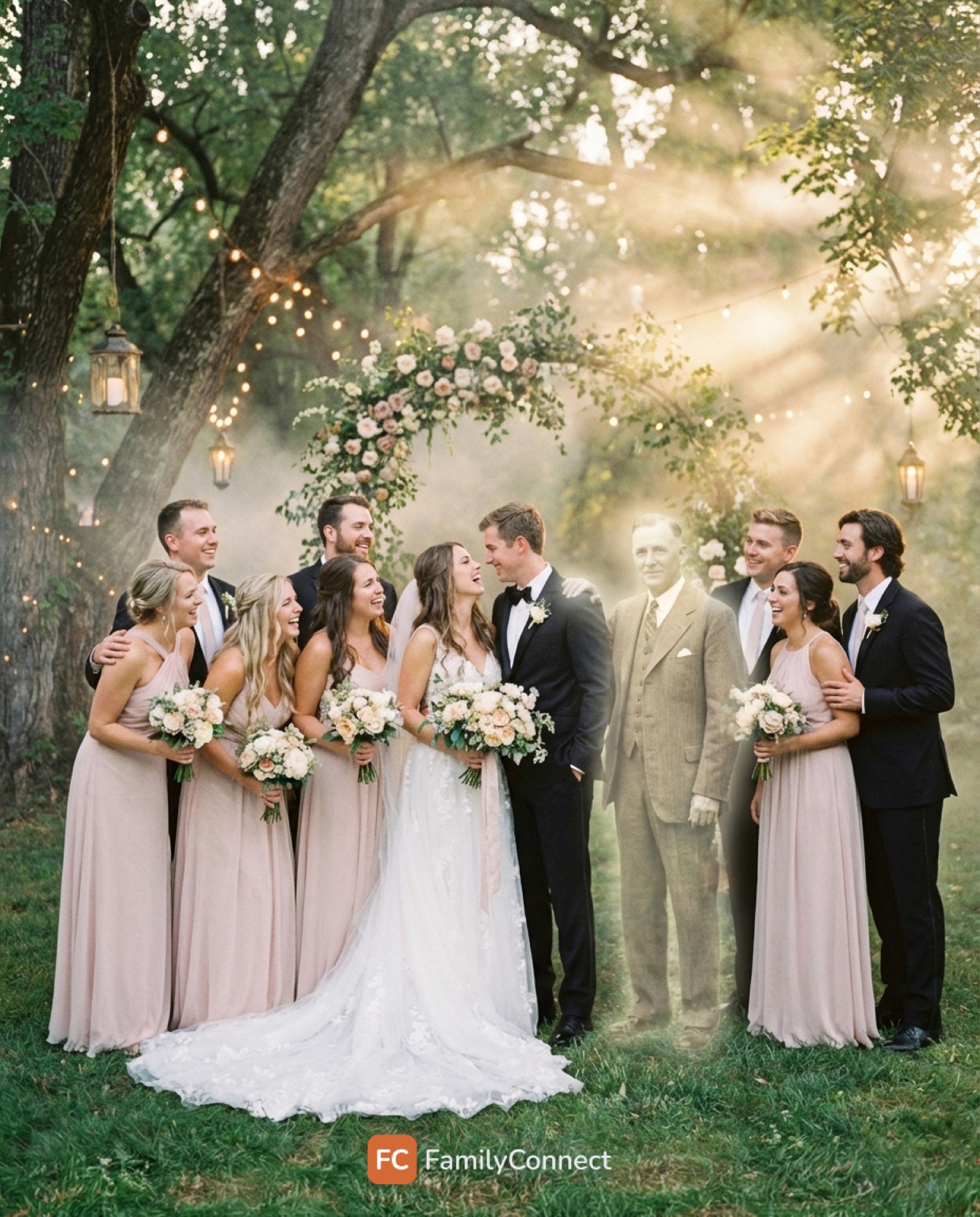
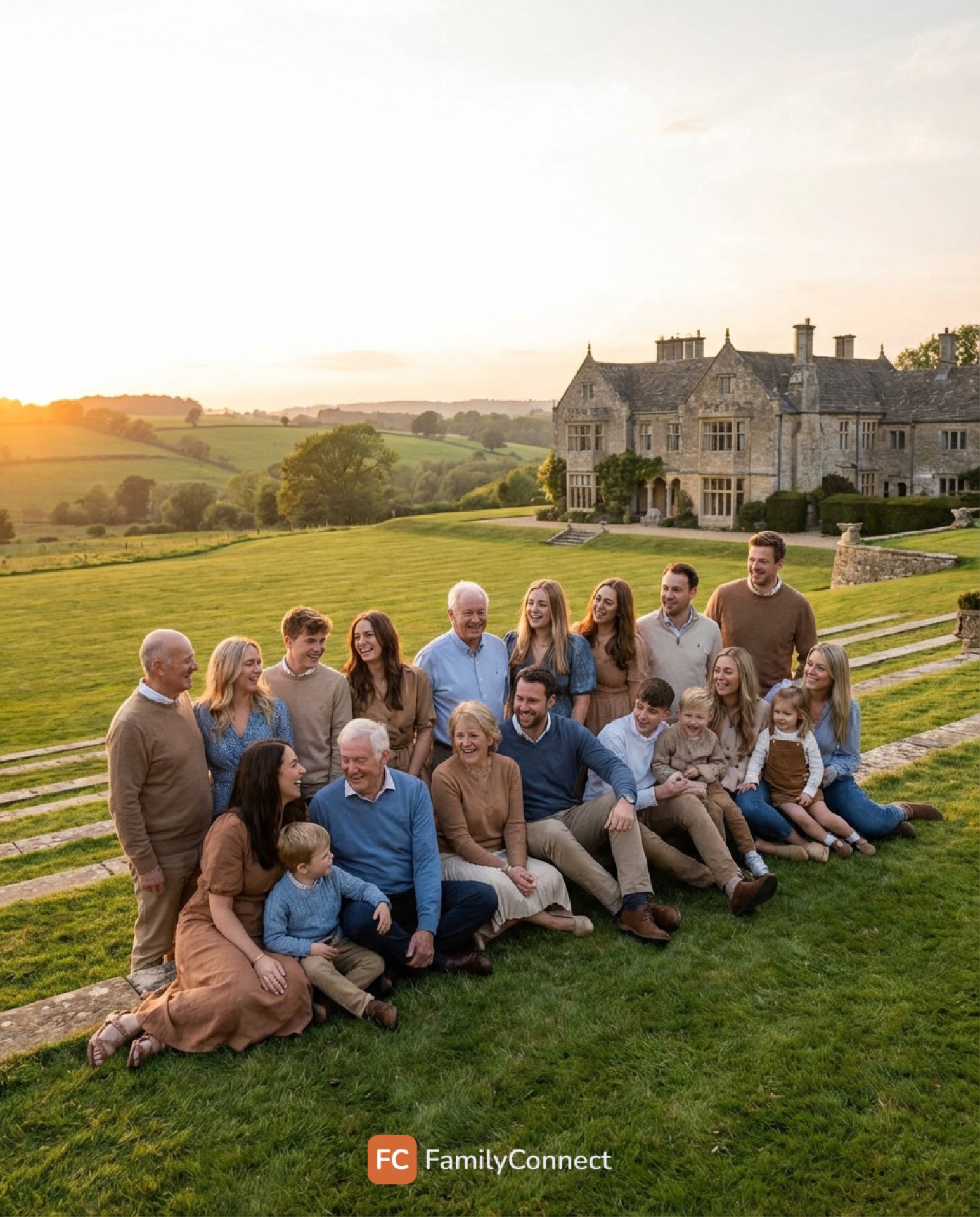
Family AI family portrait generator. Designed, coded, and shipped solo. Connect

Designed it. Coded it. Shipped it.
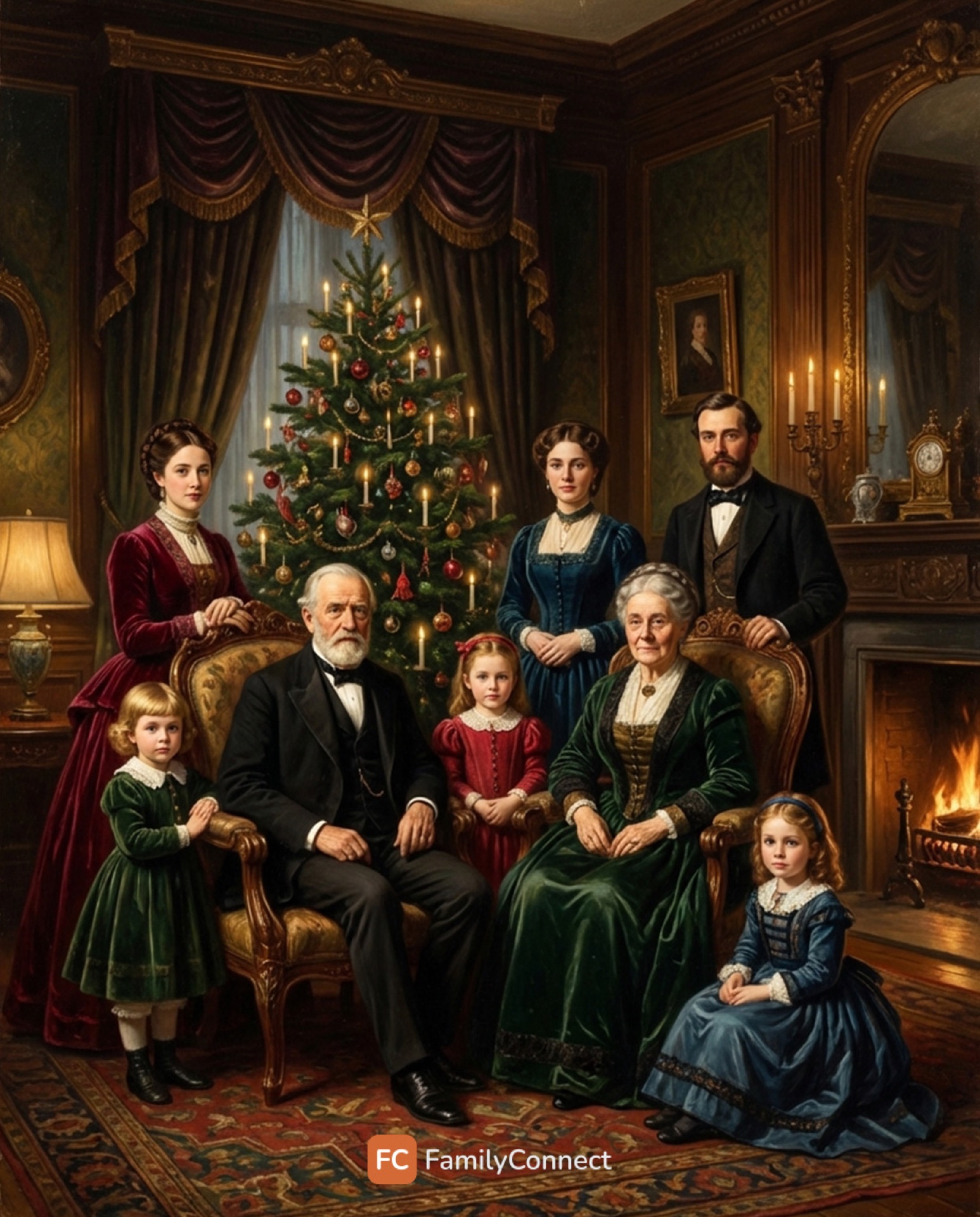
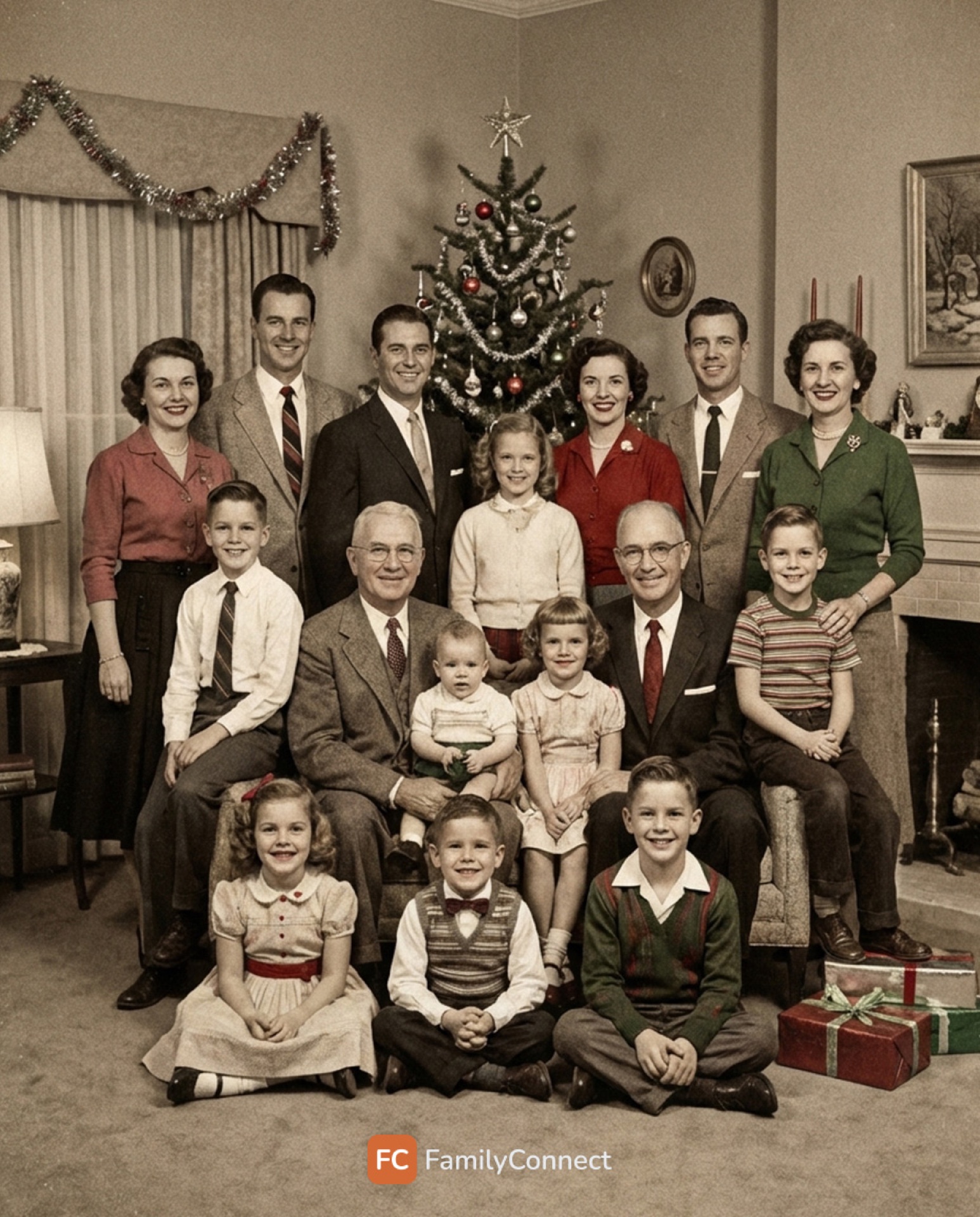
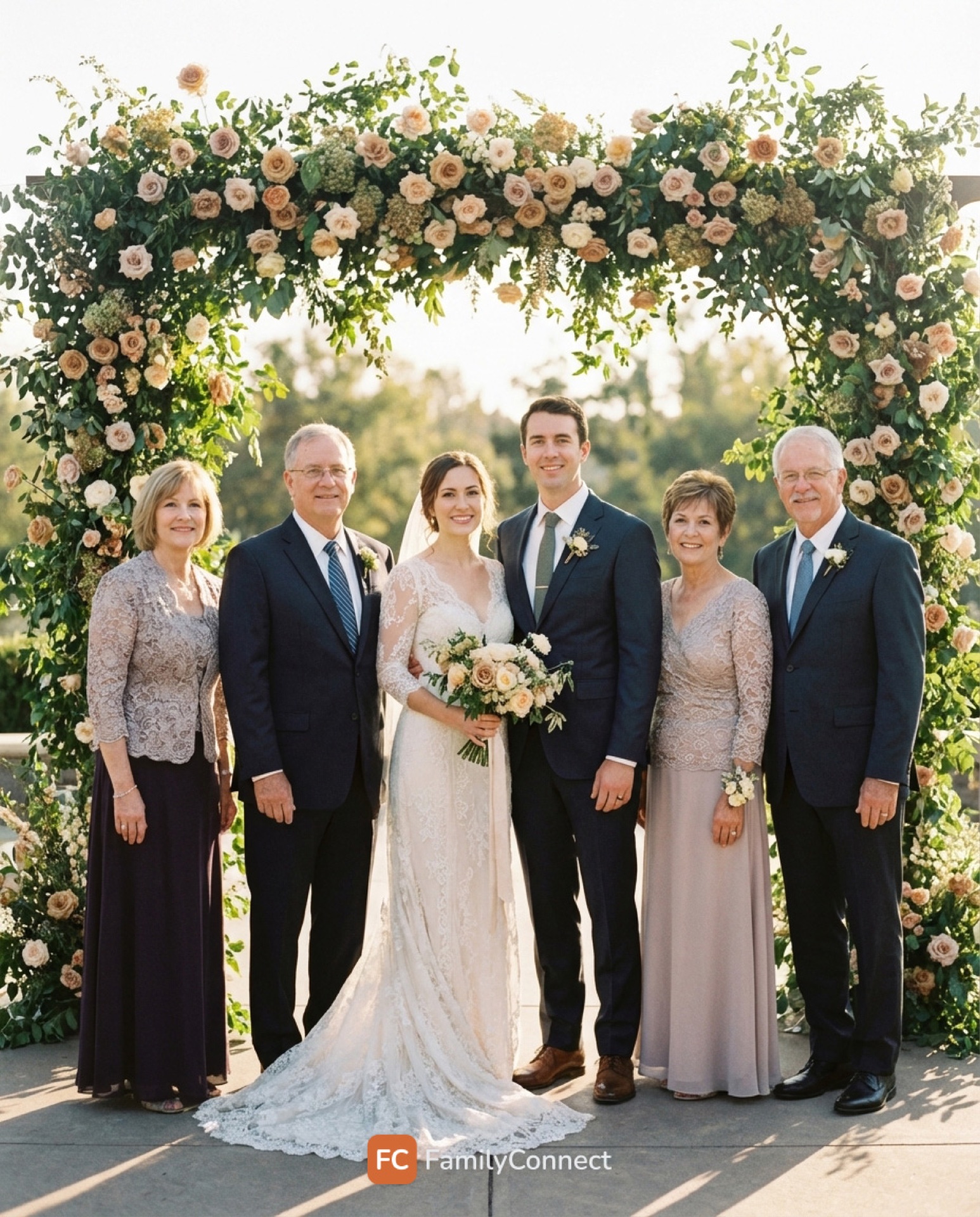
FamilyConnect is an AI family portrait generator — upload individual photos of family members and get a single composed family portrait back. I built it end-to-end over the 2024 holiday season as my first solo full-stack product: brand identity, UX and UI design, frontend (Next.js), backend and database (Supabase), AI image generation (Google AI API), hosting (Vercel), social content, and launch. The work wasn't done in spite of being a designer-not-engineer. It was done by pairing my product instincts with Claude Code as a coding partner — and proving I don't need to wait for a developer to ship a real product anymore.
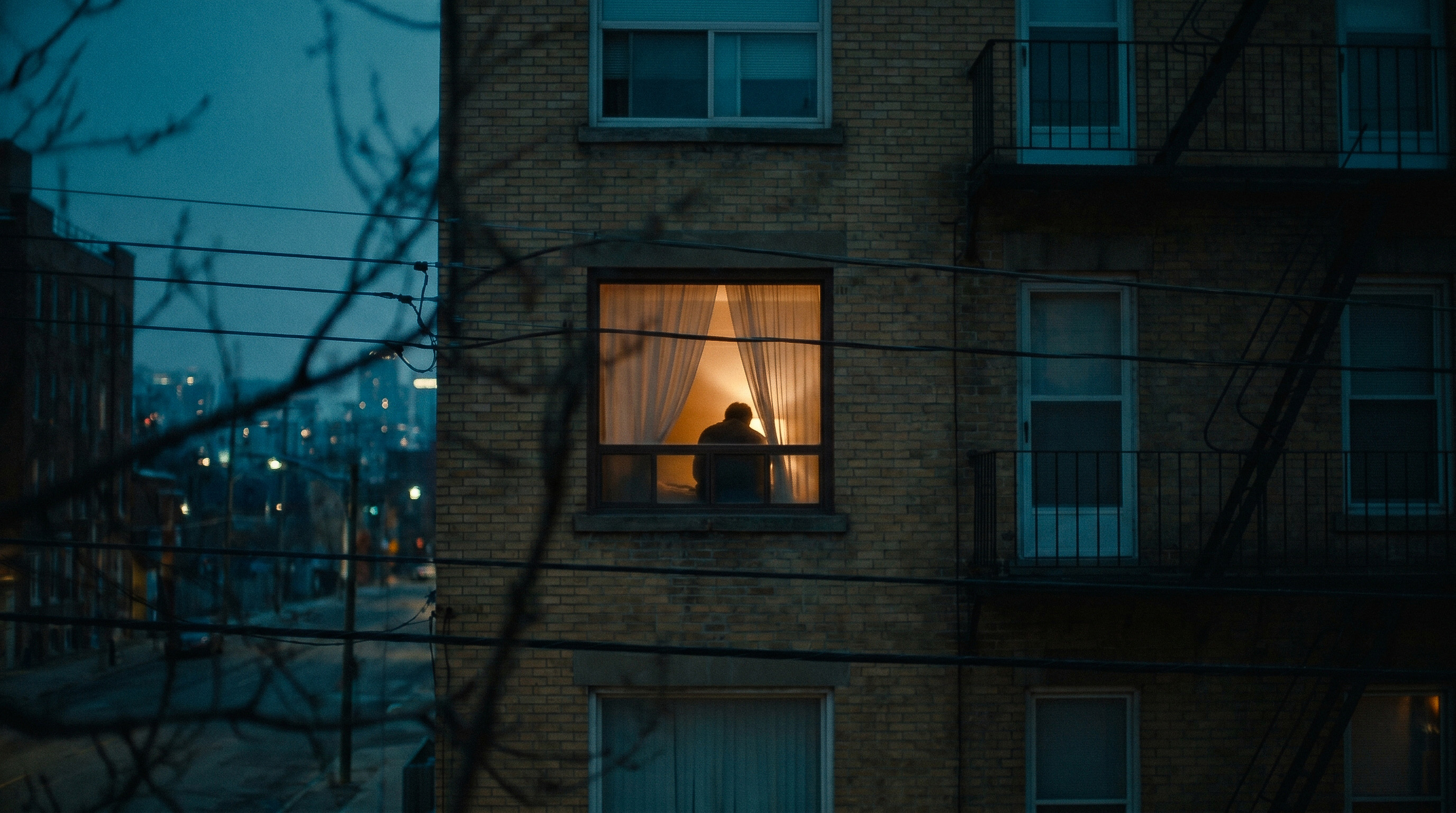
Some families live apart.

Some have for years.

Some moments can be made.
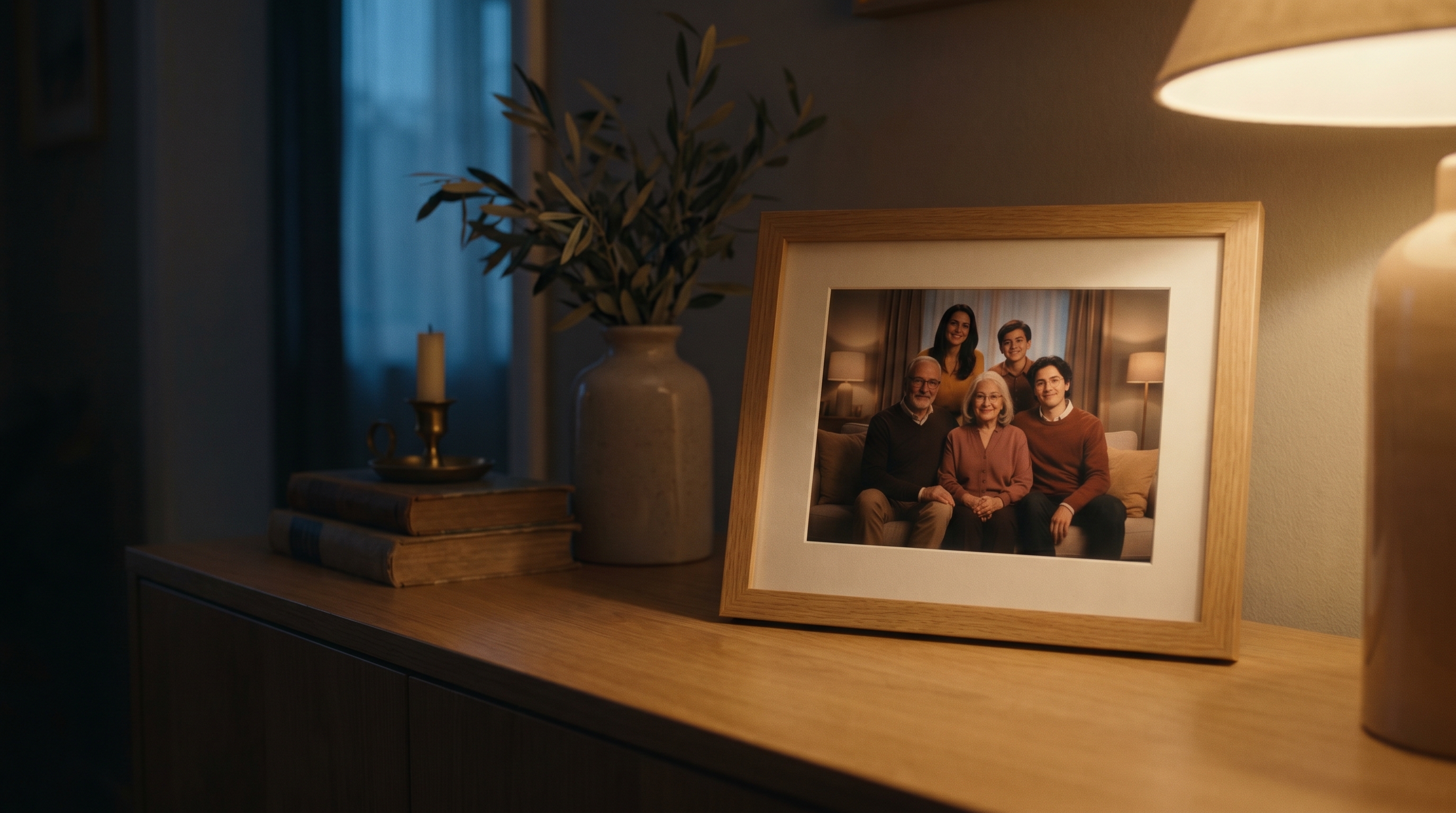
Some can now be kept.

Designers who ship aren't the same as designers who design. With AI agents, the gap closed. FamilyConnect was the proof — three weeks, one holiday, end-to-end.
— On the approach, 2024Most of my portfolio is brand and editorial work — beautiful, but the brief is always someone else's. FamilyConnect is the inverse. Every constraint, every decision, every line of code is mine. I picked a problem I'd lived with for years (split families, far apart, missing each other's milestones), scoped it tight enough to ship in a holiday window, and forced myself through every layer end-to-end.
The choice was deliberate. Designers who can talk about a build aren't the same as designers who've actually shipped one. With AI agents in the toolchain, there's no longer a reason to stop at the design and hand off. This project is the proof, written in commits.
Why
this one.










The
product.
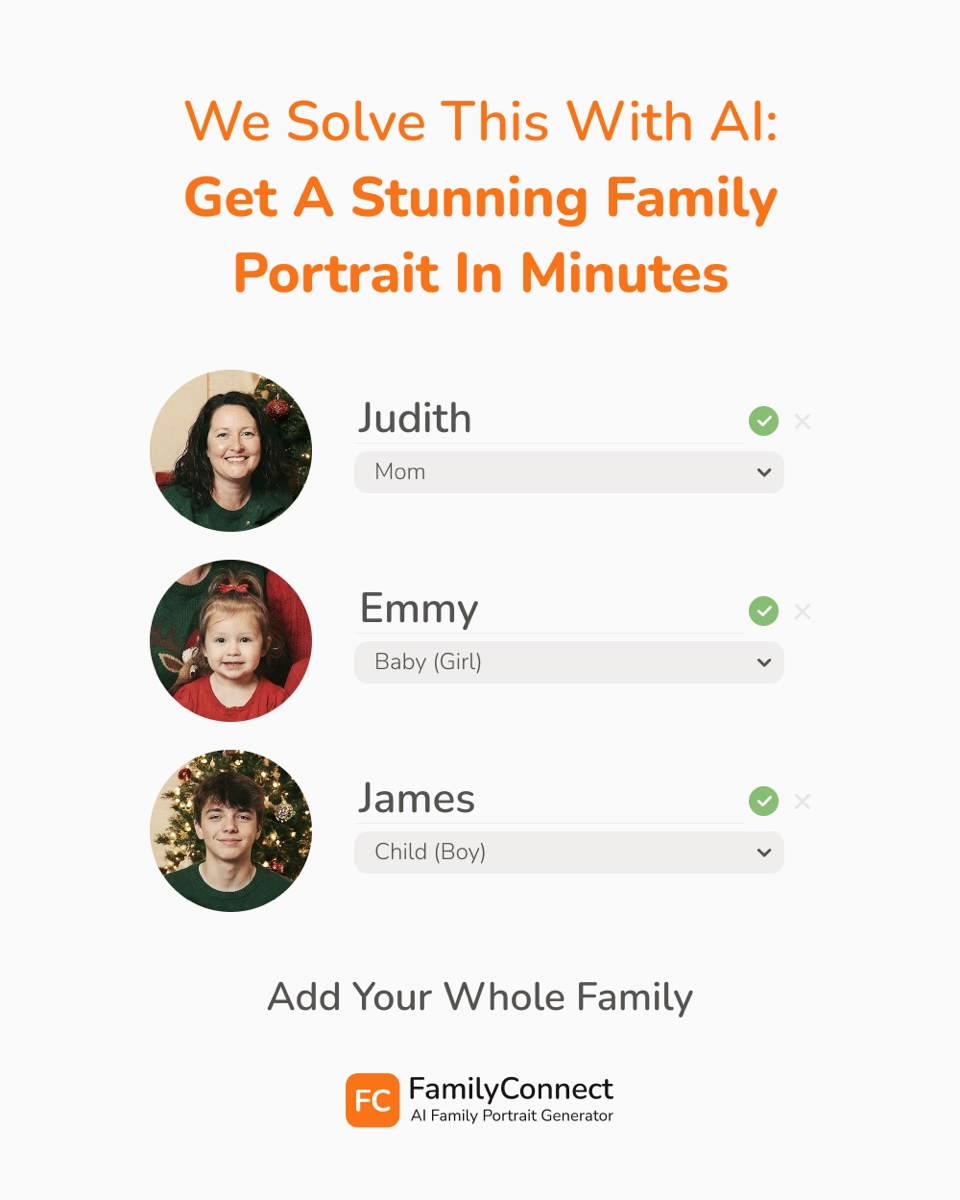
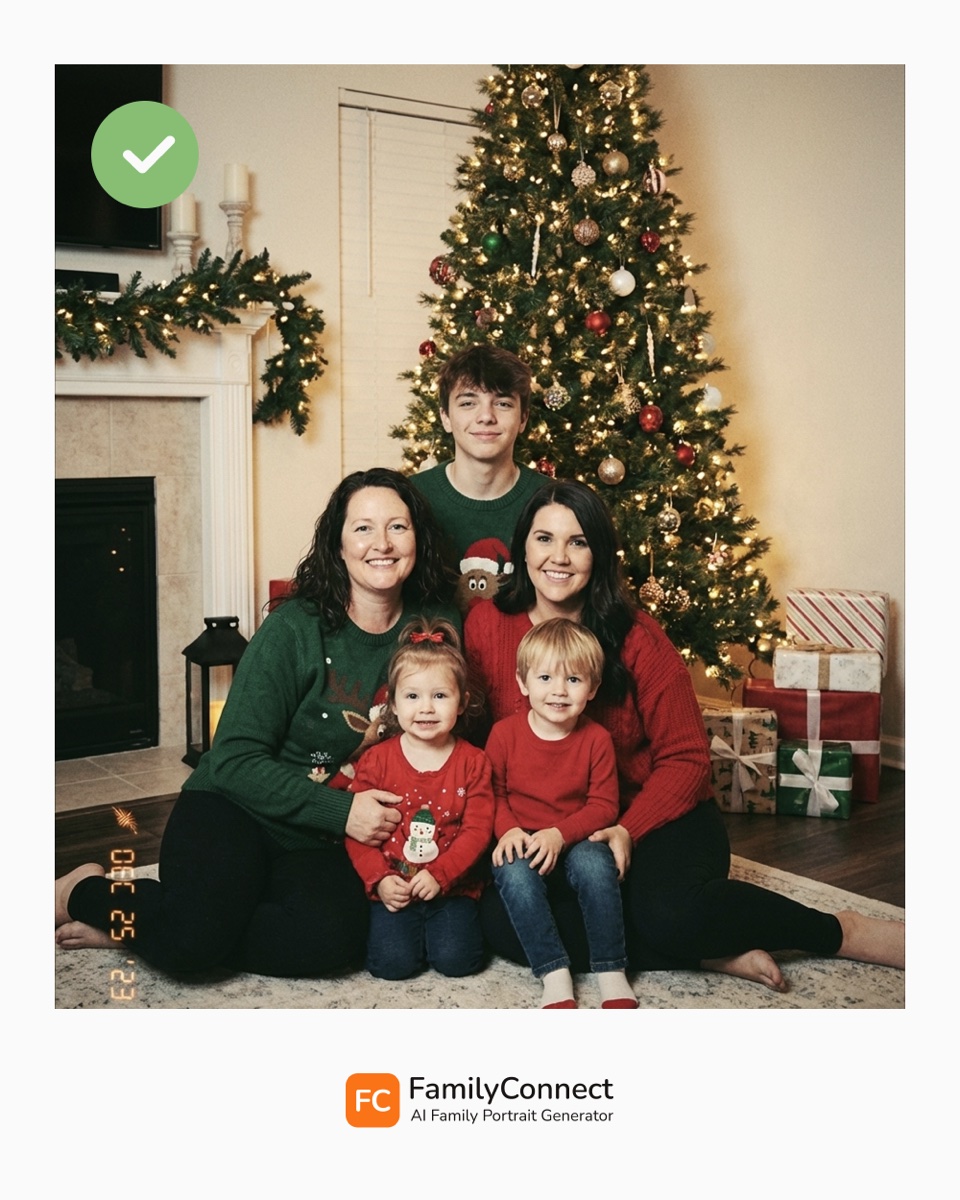
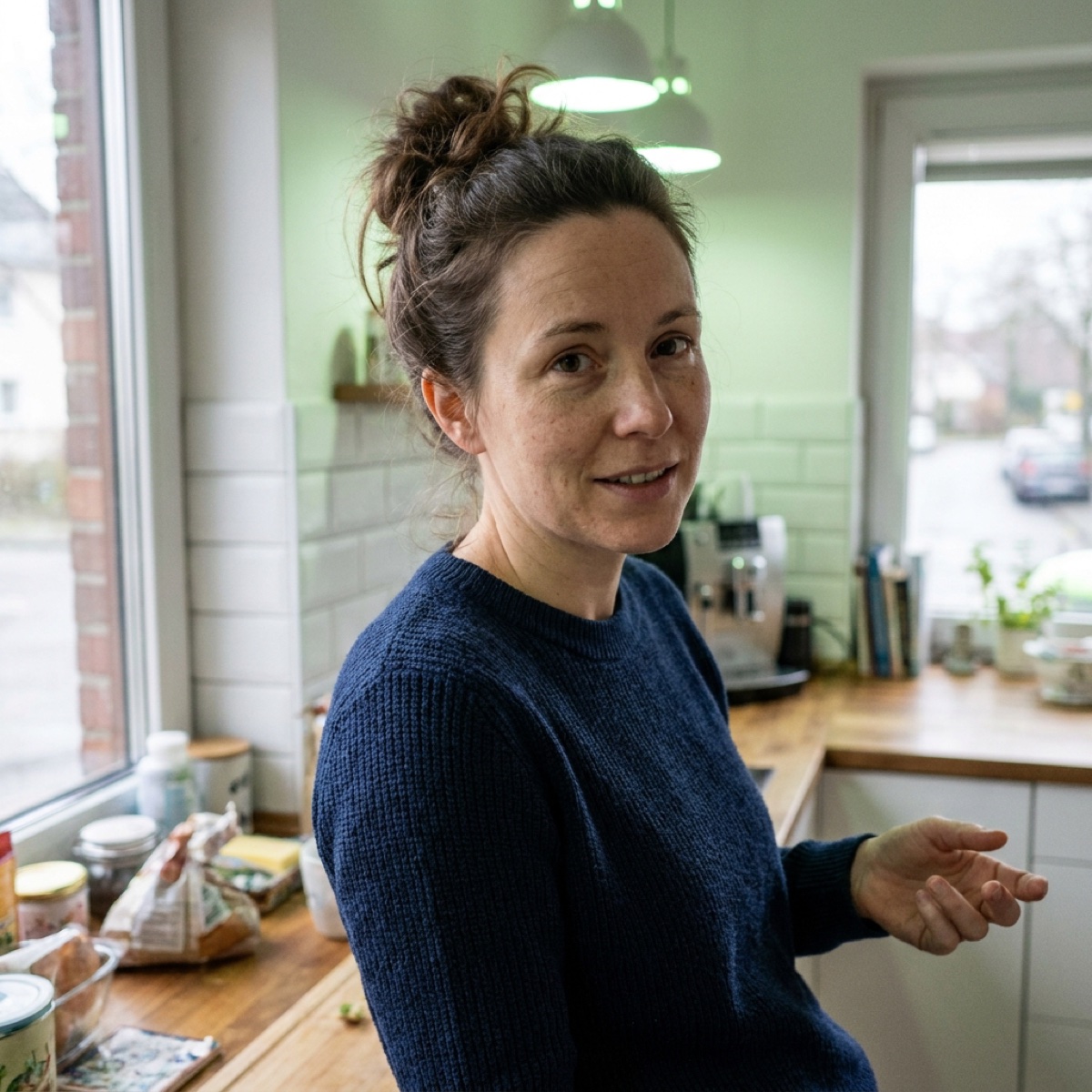
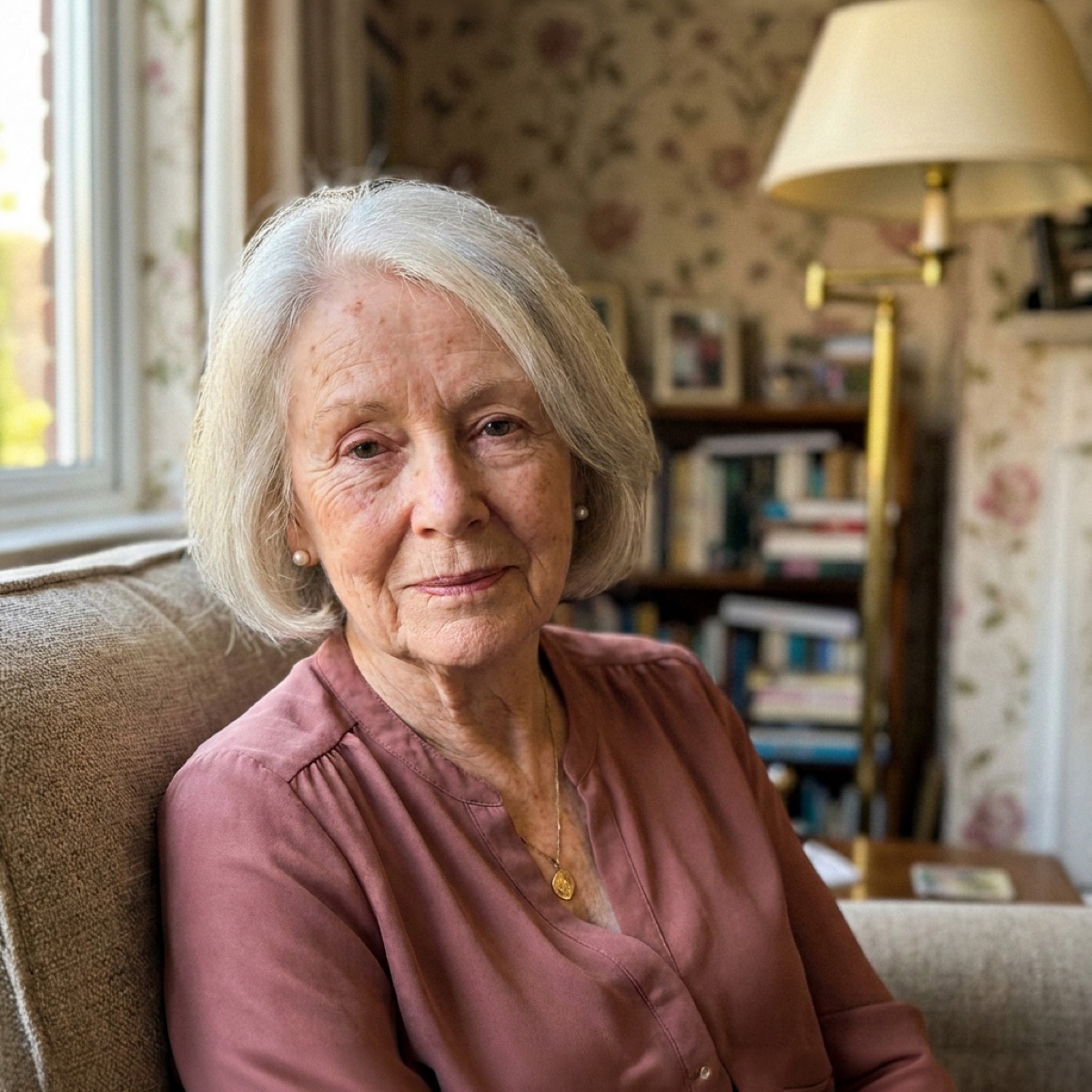
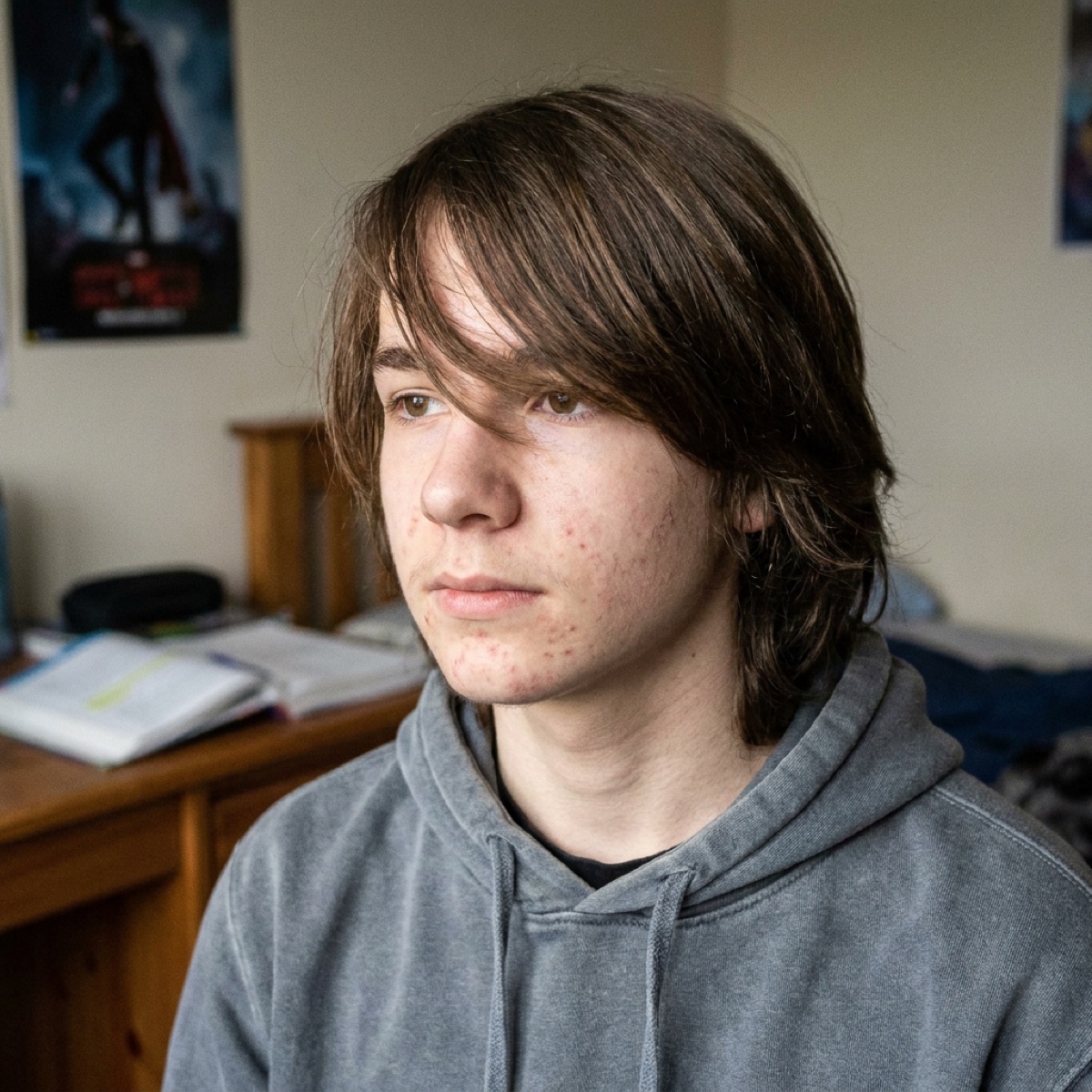
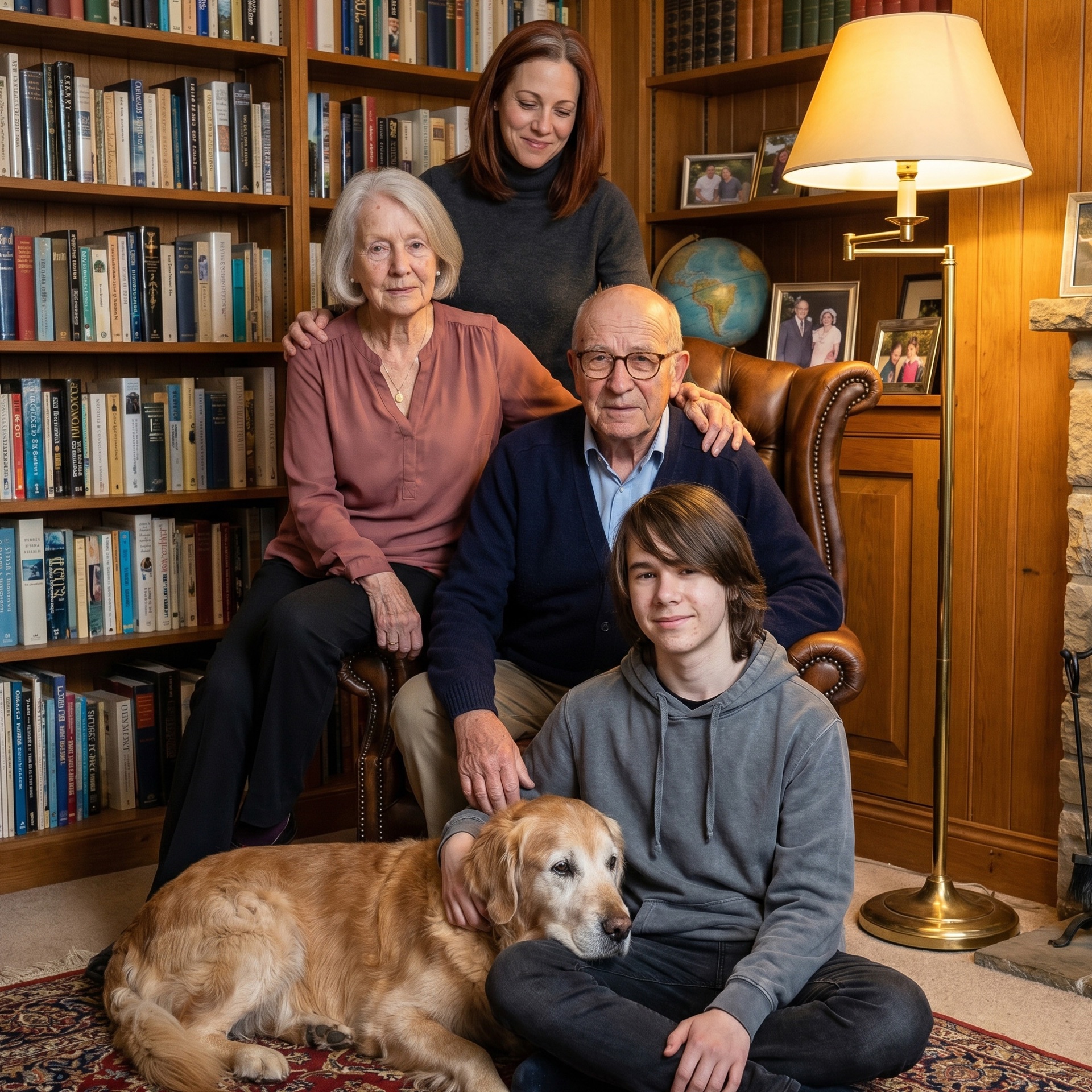
FamilyConnect lets you upload individual photos of family members — parents who can't be in the same room as their kids, grandparents who haven't visited in a year, the cousin who missed the wedding — and composes them into a single family portrait. The AI handles facial preservation, lighting consistency, and pose composition.
The user picks a style — studio, holiday, living room — and downloads a high-resolution result. The whole flow takes under a minute.
The
build.
next.js + supabase + vercel + google-ai-api
Three weeks. Holiday 2024. Solo. Next.js for the frontend, Supabase for auth and database, Vercel for hosting, Google AI API for image generation. The stack was new to me — I'd done HTML and CSS for a decade but never shipped a full-stack app.
What changed was the tooling. I designed the UX in Figma, then paired with Claude Code on the implementation — agent-driven coding, every commit reviewed, every iteration faster than the last. By week three I knew the stack well enough to ship without holding anyone's hand. The product is the artifact. The workflow is the lesson.
The
brand.
Logo, type system, color palette, social templates — the same end-to-end brand discipline as a paid client project, compressed into the same three weeks as the build. The brand had to feel familial without saccharine, modern without cold. A soft serif for the wordmark, warm neutrals for the system, and a content strategy where every social post showed a real generated output — no stock, no mockup, no fake demo.